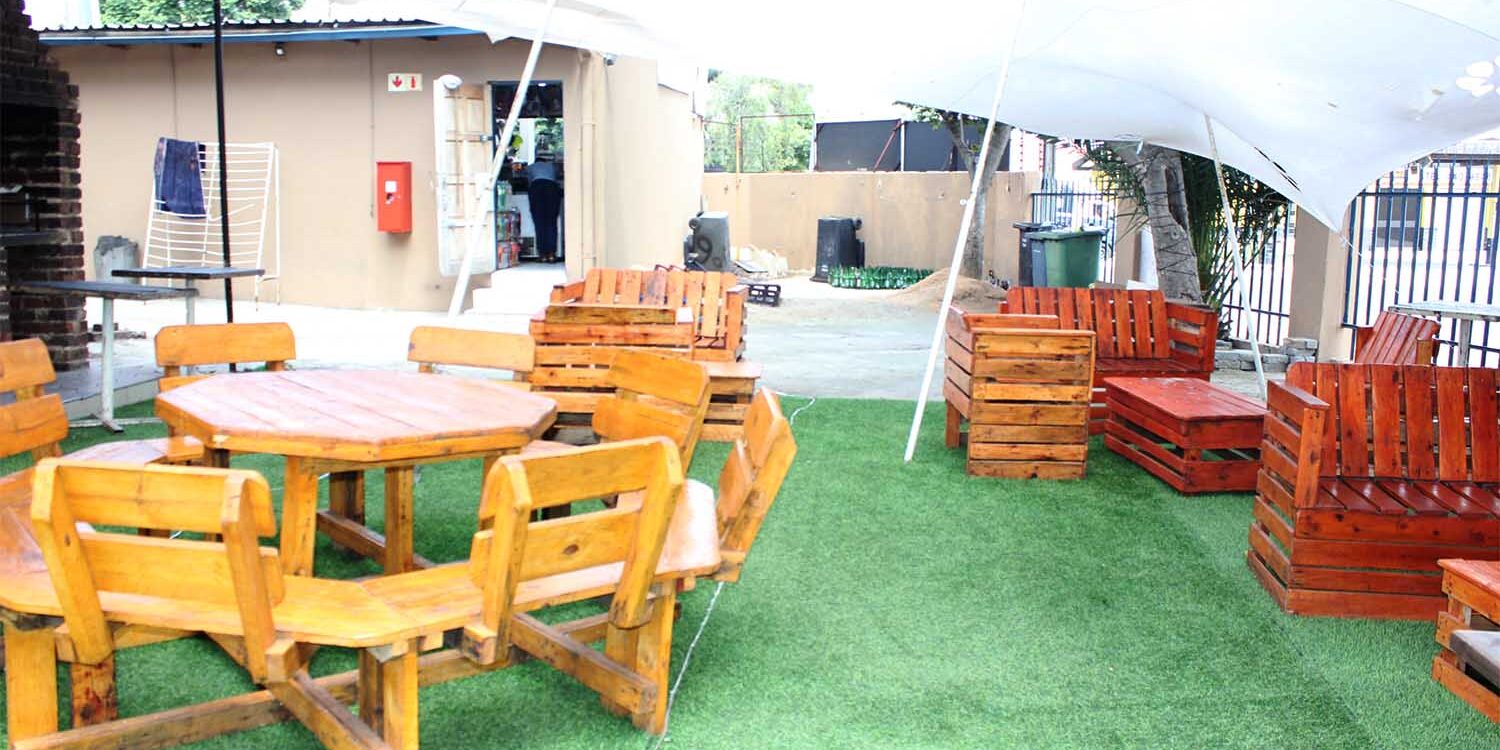
When it comes to creating a productive and positive work environment, the layout and design of your office space play a crucial role. Whether you’re moving into a new rental space or looking to revamp your current office, optimizing the layout can significantly impact your team’s efficiency and overall morale. Here are some strategies to help you make the most of your commercial space:
1. Assess Your Needs and Goals
Before you start rearranging furniture or knocking down walls, take a step back to assess your business needs and goals. Consider the following questions:
- How many employees do you have?
- What kind of work do they do?
- Do you need collaborative spaces or quiet areas for focused work?
- What are your storage requirements?
Understanding these factors will help you create a layout that supports your team’s workflow and business objectives.


2. Adopt an Open Floor Plan
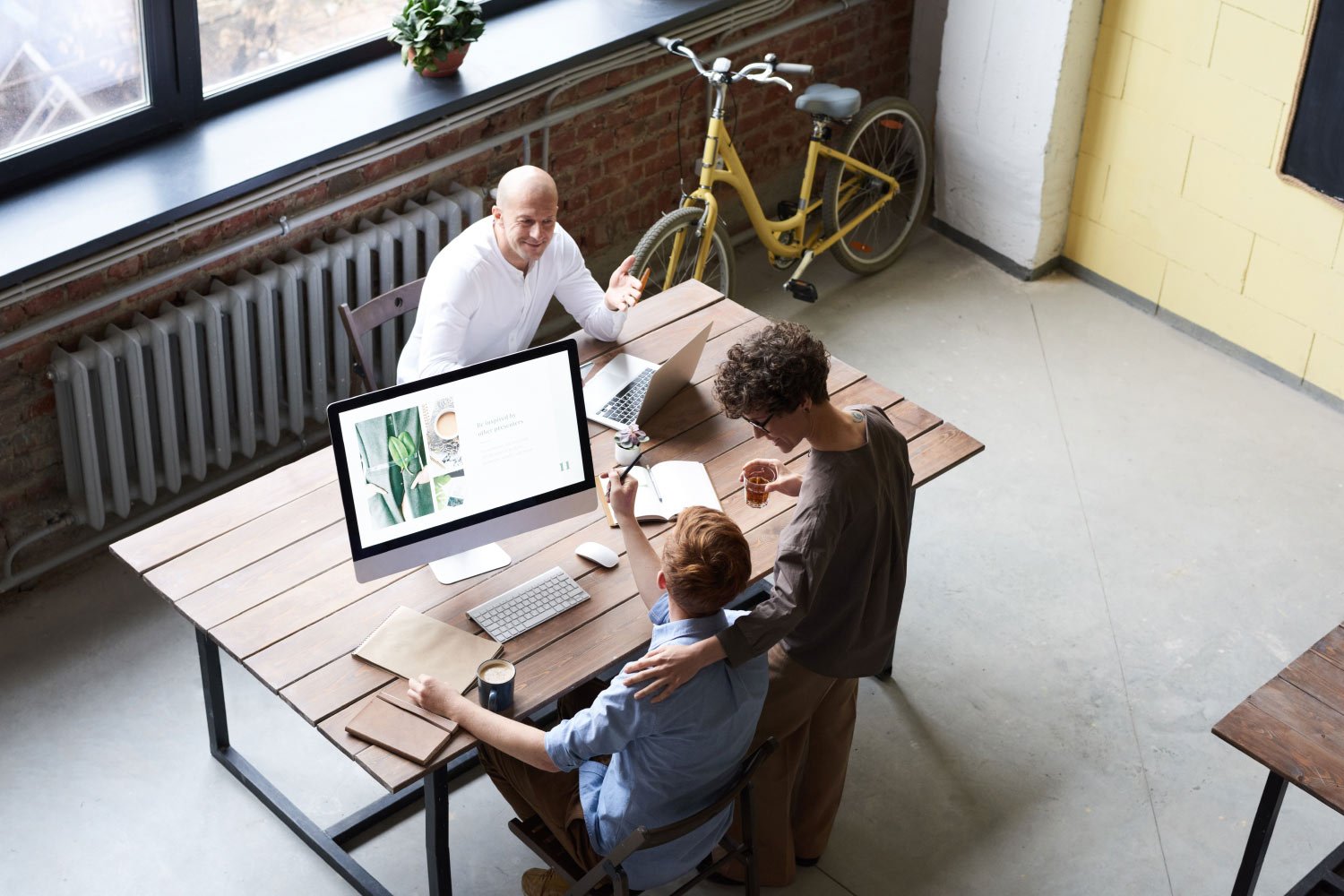
Open floor plans have become increasingly popular for their ability to foster collaboration and communication. By removing physical barriers, employees can easily interact and share ideas, leading to increased creativity and teamwork. However, it’s important to balance openness with designated quiet zones for tasks that require concentration.
3. Create Dedicated Zones
Divide your office space into specific zones to cater to different activities and work styles. Consider incorporating:
- Collaborative Areas: Spaces with comfortable seating and whiteboards for brainstorming sessions and team meetings.
- Private Workstations: Quiet areas with individual desks or cubicles for focused work and privacy.
- Breakout Spaces: Relaxation zones where employees can take breaks, socialize, and recharge.
4. Prioritize Ergonomics
An ergonomic office design is essential for employee health and productivity. Invest in adjustable chairs, desks, and monitor stands to ensure that your team can work comfortably. Proper lighting and ventilation are also key components of an ergonomic workspace.



5. Utilize Vertical Space
Maximize your office’s square footage by making use of vertical space. Install shelves, cabinets, and wall-mounted storage solutions to keep the floor area clear and organized. This approach not only saves space but also keeps essential items within easy reach.
6. Incorporate Flexible Furniture
Choose furniture that can be easily rearranged to accommodate changing needs. Modular desks, foldable tables, and movable partitions allow you to quickly adapt your office layout for different projects or team sizes.
7. Enhance Natural Light
Natural light has a positive impact on employee well-being and productivity. Arrange workstations near windows and use glass partitions to allow light to flow throughout the space. If natural light is limited, invest in high-quality artificial lighting that mimics daylight.
8. Add Greenery
Incorporating plants into your office design can improve air quality, reduce stress, and boost employee satisfaction. Choose low-maintenance plants that thrive indoors and place them strategically around the office.
9. Incorporate Technology
Modern office spaces should be equipped with the latest technology to support efficient work. Ensure that your office layout includes ample power outlets, high-speed internet access, and integrated audiovisual equipment for presentations and virtual meetings.
10. Personalize the Space
Allow employees to personalize their workstations to create a sense of ownership and comfort. Whether it’s family photos, artwork, or favorite books, personal touches can make the office feel more welcoming and enjoyable.
By implementing these strategies, you can create an office layout that not only maximizes your commercial space but also enhances productivity and fosters a positive work environment. Remember, a well-designed office is an investment in your team’s success and overall business growth.